
The Village
At the foot of the Serra de Llaberia
Located at an altitude of 223 metres, Capçanes is surrounded by hills and mountain ranges that shape a unique landscape. Several ravines converge into the Capçanes stream, a tributary of the Siurana river basin, contributing to a dynamic geography rich in water resources.
To understand the essence of Capçanes, it is necessary to go back eight thousand years, to the first Neolithic settlements. The arrival of agriculture in the valley transformed the landscape and initiated a close relationship between human beings and the land. The set of Levantine-style rock paintings, declared Intangible Cultural Heritage of Humanity by UNESCO, is, as historian Borja de Riquer states in his book Història Mundial de Catalunya, “one of the most striking and relevant documentary testimonies of rock art in Europe”.
Today, Capçanes is a village with a rural soul and an active spirit. Agriculture continues to be the backbone of local life, with particular importance given to D.O. Siurana olive oil and vineyards, which produce quality wines under the Montsant Designation of Origin. The village is home to innovative wineries that work both with organic practices and distinctive winemaking approaches, recognised worldwide.
The agricultural landscape, with extensive vegetable gardens for self-consumption and dry-stone walls that shape the land, offers a well-kept and authentic image. It is, without doubt, one of the main attractions for visitors seeking to connect with the natural and serene beauty of rural Priorat.
A village rooted in the land, with a history forged among vineyards, stone and resilience.
History
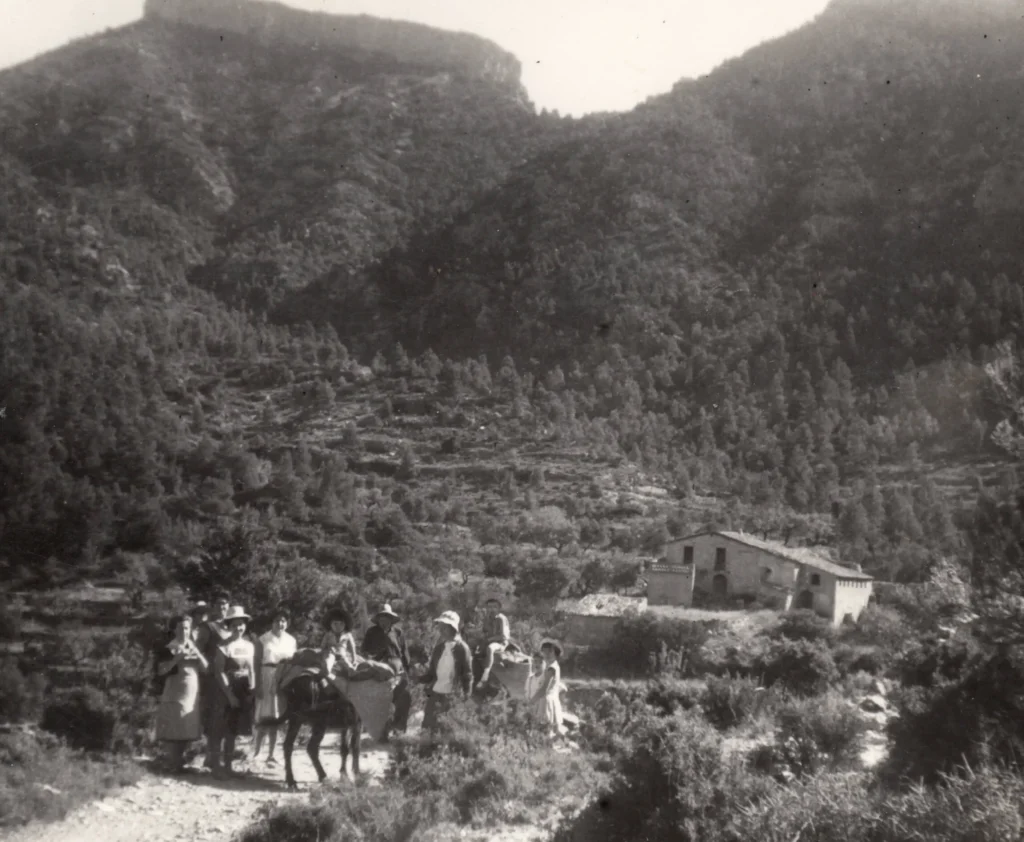
The municipality of Capçanes has a historical trajectory that dates back to time immemorial. Its rugged and strategic surroundings have been inhabited both in prehistoric times and during the Iberian period.
The first written document referring to the village dates from the 13th century, when it formed part of the domains of the Order of the Temple. It later passed into the hands of the Hospitallers, and subsequently became part of the barony of Entença. This feudal past still resonates in the architectural remains and in the historical organisation of the territory.
For centuries, Capçanes has been a village of farming and vineyards, where dry-stone walls, natural springs and pack-animal paths formed part of everyday life. Collective effort and adaptation to the environment have been defining traits of a community that has known how to preserve its roots while projecting itself towards the future.
Its contemporary history is marked by the events of the War of the Spanish Succession (1705–1714), in which Pere Joan Barceló “el Carrasclet”, a native of the village and a symbol of Catalan resistance, played an important role. Throughout the 20th century, the wine cooperative became a key economic and social driving force, positioning Capçanes within the landscape of quality Catalan wine.
Did you know…?
The name “Capçanes” — documented from the 15th century onwards — probably derives from Occitano-Romance, from the word “cap” (from the Latin caput) and the verb “capçar”, which meant (and still means) to place stone slabs or flat stones on walls, as in vegetable gardens or courtyards. This interpretation fits well with the orographic setting of the village.
The guerrilla fighter Pere Joan Barceló i Anguera, known as Carrasclet, is an emblematic figure of the village.
Vineyards have been documented in Capçanes since Iberian times.

Did you know…?
The name “Capçanes” — documented from the 15th century onwards — probably derives from Occitano-Romance, from the word “cap” (from the Latin caput) and the verb “capçar”, which meant (and still means) to place stone slabs or flat stones on walls, as in vegetable gardens or courtyards. This interpretation fits well with the orographic setting of the village.
The guerrilla fighter Pere Joan Barceló i Anguera, known as Carrasclet, is an emblematic figure of the village.
Vineyards have been documented in Capçanes since Iberian times.
The Serra de Llaberia
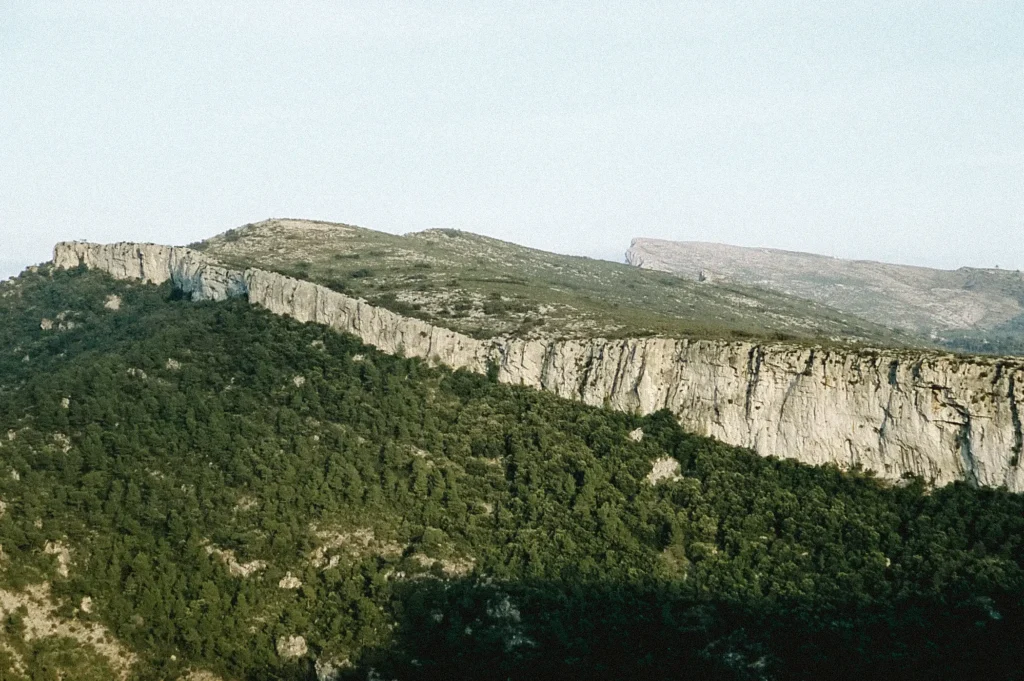
Capçanes is part of the Serra de Llaberia Natural Area, a protected space with rugged landscapes, coves, viewpoints and rich biodiversity. The village is an ideal starting point for hiking routes that allow visitors to discover the authenticity of this natural environment.
More information on the website of the Serra de Llaberia Consortium
Senderisme, paisatge i patrimoni natural al sud del Priorat
DO Montsant
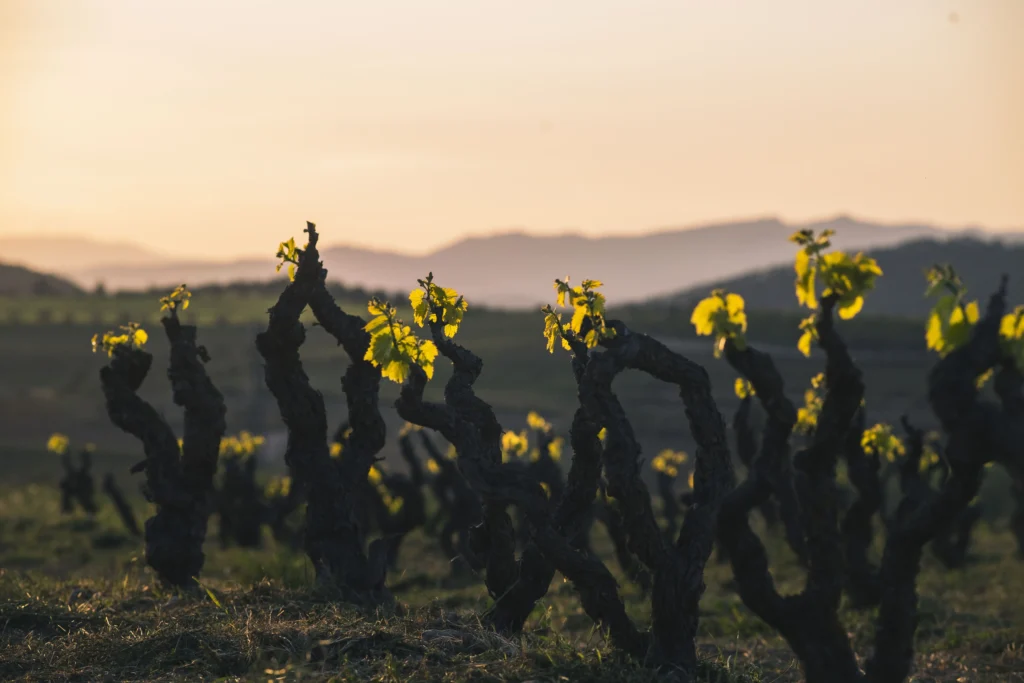
Capçanes is part of the Montsant Designation of Origin, recognised for the excellence of its wines. The vineyards surrounding the village define a unique landscape and a way of life deeply rooted in the land. Local wineries, innovative and internationally renowned, are a clear example of how tradition and quality go hand in hand.
Capçanes, heart of DO Montsant.
Festivals and Fairs
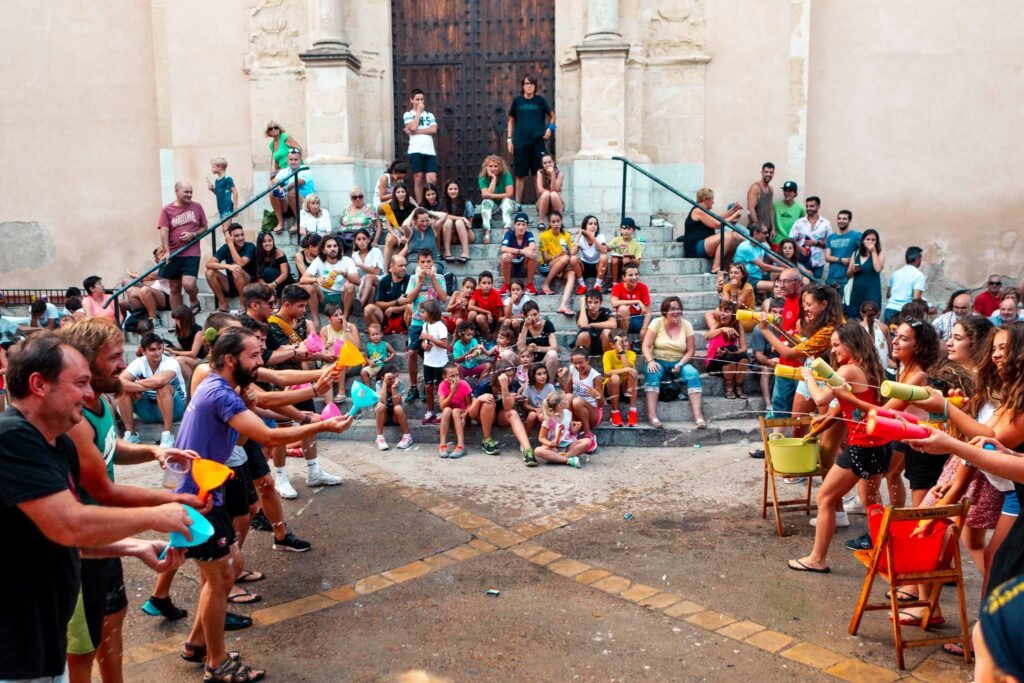
Capçanes is a lively village, whether by promoting events through the Town Council, local associations, or by joining efforts as a community. Every time a festival arrives, the streets fill with light, music and a desire to share. Celebrations are an expression of collective identity, with the involvement of local residents, our elders, who are the soul of every event.
Summer Festival (August)
Santa Rosalia (September)
Craft Fair (December)
The Bandit – self-sufficiency and navigation ultramarathon (October)
The celebrations of tetos and tetes can’t be explained, they have to be lived
© Colla Barbis